

This blog is going to be focused on one of the security hot topics of 2024 but probably dating back as far as I can think of. Phishing attacks, have long been a persistent threat in the cybersecurity world, and in 2024, they continue to evolve in sophistication and effectiveness. Modern phishing attacks have become adept at bypassing traditional security measures, using more personalized and technically advanced tactics to deceive users. In the face of these advanced phishing attacks, robust authentication systems are key to enhancing security.
Types of Phishing Attacks

- Bulk Phishing: The most common type, where attackers send mass emails to as many people as possible, hoping to trick people into providing personal information or clicking on malicious links.
- Spear Phishing: Targeted attacks aimed at specific individuals or organizations, often using information gathered from social media or other sources to craft more convincing messages.
- Whaling: A form of spear phishing that targets high-profile executives or “big fish” within a company. These attacks are usually more sophisticated and can lead to significant data breaches.
- Smishing: Phishing attempts that use SMS text messages instead of email. These messages often contain a link or phone number that directs the recipient to a fraudulent website or connects them with a scammer.
- Vishing: Voice phishing, where attackers call individuals pretending to be from a legitimate organization, such as a bank or government agency, to extract personal information.
- Quishing: Using QR codes in phishing attempts. Scanning the QR code can direct victims to malicious websites or prompt them to download malware.
The Rise of AI in Phishing Attacks

Deepfake technology, which involves manipulating audio and video to create realistic but fabricated content, is a rising concern. Deepfakes can be used for social engineering attacks, impersonating individuals, and spreading disinformation. Earlier this year, a Hong Kong finance worker was duped into transferring $25 million to a fraudster that had deepfaked his chief financial officer and ordered the transfer via video call.
As the threat of deepfakes grows, organizations will need to invest in deepfake detection tools and strategies to protect their reputation and data integrity. Awareness and education are key in countering this emerging threat.
The Universality of Phishing
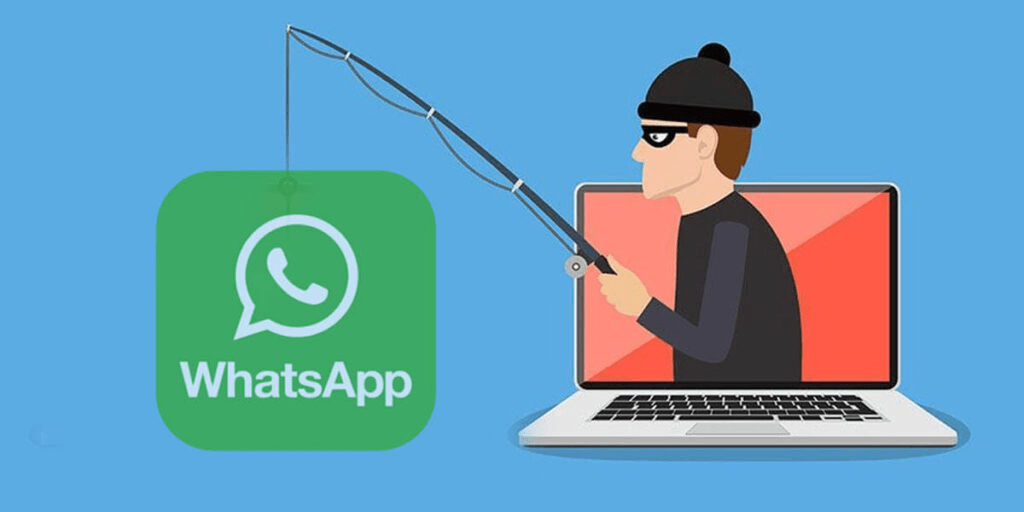
Phishing is the most common type of cyberattack, responsible for 83% of cyber incidents in 2023. Platforms like WhatsApp are increasingly being used for phishing attacks, including job offers, account impersonations, and two-step verification scams.
Prevention and Best Practices
Despite the sophistication of modern phishing attacks, there are several steps individuals and organizations can take to protect themselves:
- Email Vigilance: Be wary of emails with attachments, especially those with .zip, .exe, or .scr extensions. Look out for emotional appeals that elicit fear or urgency, unsolicited emails offering rewards, or requests for sensitive information.
- Link Verification: Avoid clicking on hyperlinks in suspicious emails. Hover over links to see where they lead and verify their legitimacy outside of the email.
- Check Sender Domains: Verify the sender’s domain to ensure it is authentic. Be alert to grammar errors or odd phrasing, which can indicate a phishing attempt.
- Implement Strong Authentication: Robust authentication systems, such as multi-factor authentication (MFA), are crucial.
- Develop and Enforce Policies: Companies should develop clear policies regarding phishing, including regular training for employees and a layered escalation process for incidents. Employees should understand and attest to these policies, ensuring they are aware of the consequences.
- Encourage Reporting: Create an environment where employees are encouraged to report suspicious activities. Reward good behavior to promote vigilance.
Conclusion
Phishing attacks continue to be a major cybersecurity threat, but with awareness, education, and robust security measures, individuals and organizations can significantly reduce their risk. Incorporating advanced solutions, maintaining vigilant practices, and fostering a culture of security awareness are key steps in safeguarding against these evolving threats.
By staying informed and proactive, we can mitigate the risks associated with phishing and protect our data, finances, and reputations from cybercriminals.


 Rares Balan
Leave a reply to Nighat Sheikh Cancel reply