
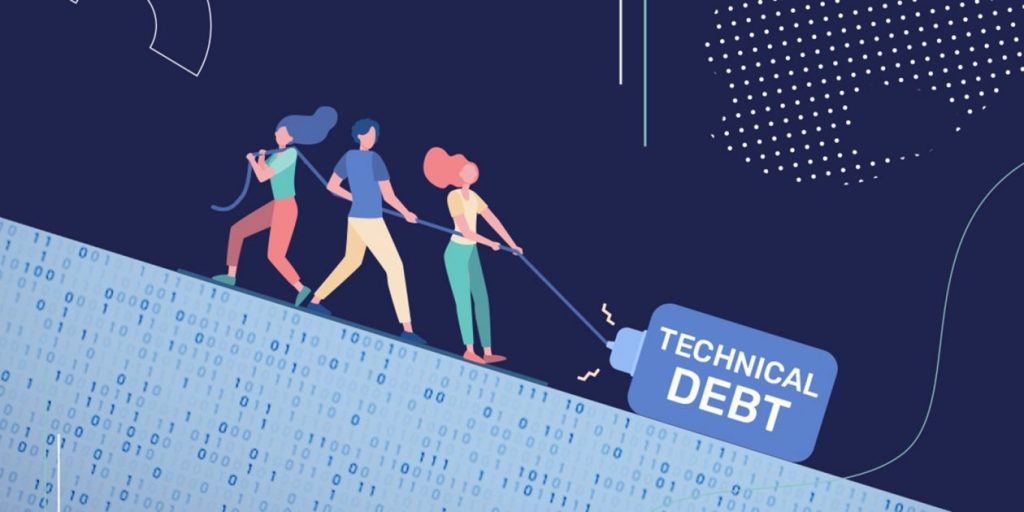
In the fast-paced world of technology, especially within agile development environments, innovation often comes at a cost. This cost is frequently paid in the form of technical debt which represents the accumulation of incomplete or quick-fix solutions that must be addressed later. While this can drive short-term progress, it can lead to long-term challenges, particularly when vulnerabilities and inefficiencies start to expand.
In a previous blog, I discussed the importance of integrating vulnerability management into the CI/CD pipeline from the outset. This proactive approach can significantly reduce the number of issues that later contribute to technical debt. However, many organizations still face growing technical debt, which is hightened by poorly defined requirements, leading to inadequately designed solutions.
Common Examples of Technical Debt in the Fintech Industry
In the fintech sector, where reliability, security, and compliance are critical, technical debt can manifest in various ways. Here are some common examples:
1. Legacy Code and Systems
- Description: Outdated systems or code that no longer meet current standards or requirements. Examples include old encryption methods, deprecated libraries, or systems incompatible with new technologies.
- Impact: These legacy elements can hinder innovation and integration with new systems, leading to inefficiencies and potential security risks.
2. Inadequate Security Measures
- Description: Failure to update security practices or delay in applying security patches. Also failure to provide baselining and guardrailing security. Think of it by secure by design and default principle!
- Impact: This can lead to vulnerabilities that expose the organization to security breaches, non-compliance with regulations, and loss of customer trust.
3. Poorly Structured Databases
- Description: Databases not optimized for performance or scalability. Remember in my previous article when I discussed about data management being key!
- Impact: Inefficient databases can slow down transactions and analytics, crucial for handling large volumes of financial data.
4. Lack of Automated Testing
- Description: Insufficient automated tests for critical operations.
- Impact: Leads to undetected bugs and inefficiencies, increasing risks in an industry where precision is paramount.
5. Code Complexity and Lack of Documentation
- Description: Overly complex code without adequate documentation. Remember poor coding practices, hard-coded information is the killer to innovation!
- Impact: Slows down development and makes it harder for new team members to understand and work with the codebase, reducing agility.
6. Monolithic Architecture
- Description: A monolithic system structure where all components of an application are interconnected and interdependent, forming a single, cohesive unit. Microservices are still king where applications are broken down into bite-sized chunks.
- Impact: Difficulty in updating and scaling specific parts of the system, which is problematic in a rapidly evolving environment.
7. Inefficient Third-Party Integrations
- Description: Dependence on outdated or inefficient third-party services and APIs.
- Impact: Leads to performance bottlenecks and security risks, affecting overall system efficiency.
How do we go about and solve this issue proactively:
To manage technical debt effectively, engineers should allocate specific time for maintenance work. This dedicated maintenance not only ensures ongoing system integrity but also improves the overall development experience. Engineers should be recognized for this maintenance work, as it directly contributes to the long-term success of the development process.
What are the key steps:
- Regular Maintenance Sprints: Schedule regular maintenance sprints to tackle existing technical debt. This helps in keeping the system up-to-date and reduces the risk of major breakdowns.
- Recognition and Reward: Acknowledge and reward engineers who focus on maintenance work. This encourages a culture of continuous improvement and accountability.
- Integration in Development Process: Ensure that maintenance tasks are integrated into the regular development workflow. This prevents technical debt from becoming an afterthought and encourages proactive management.
How do we track and monitor the technical debt:
Monitoring key risk indicators (KRIs) such as increased bug rates, slower feature development, frequent system outages, and escalating maintenance costs can help identify the growing impact of technical debt. These indicators highlight inefficiencies and potential vulnerabilities that require attention.
Regularly presenting these KRIs to executive committees ensures that decision-makers are informed about the risks, allowing them to prioritize strategic initiatives for technical debt reduction.
This proactive approach not only helps in managing technical debt but also ensures that resources are allocated effectively, maintaining a robust, secure, and scalable technology environment. By addressing technical debt head-on, organizations can improve their feature development experience and support long-term innovation and stability.
If you like this post please do not hesitate to share it!
 Rares Balan
Leave a comment